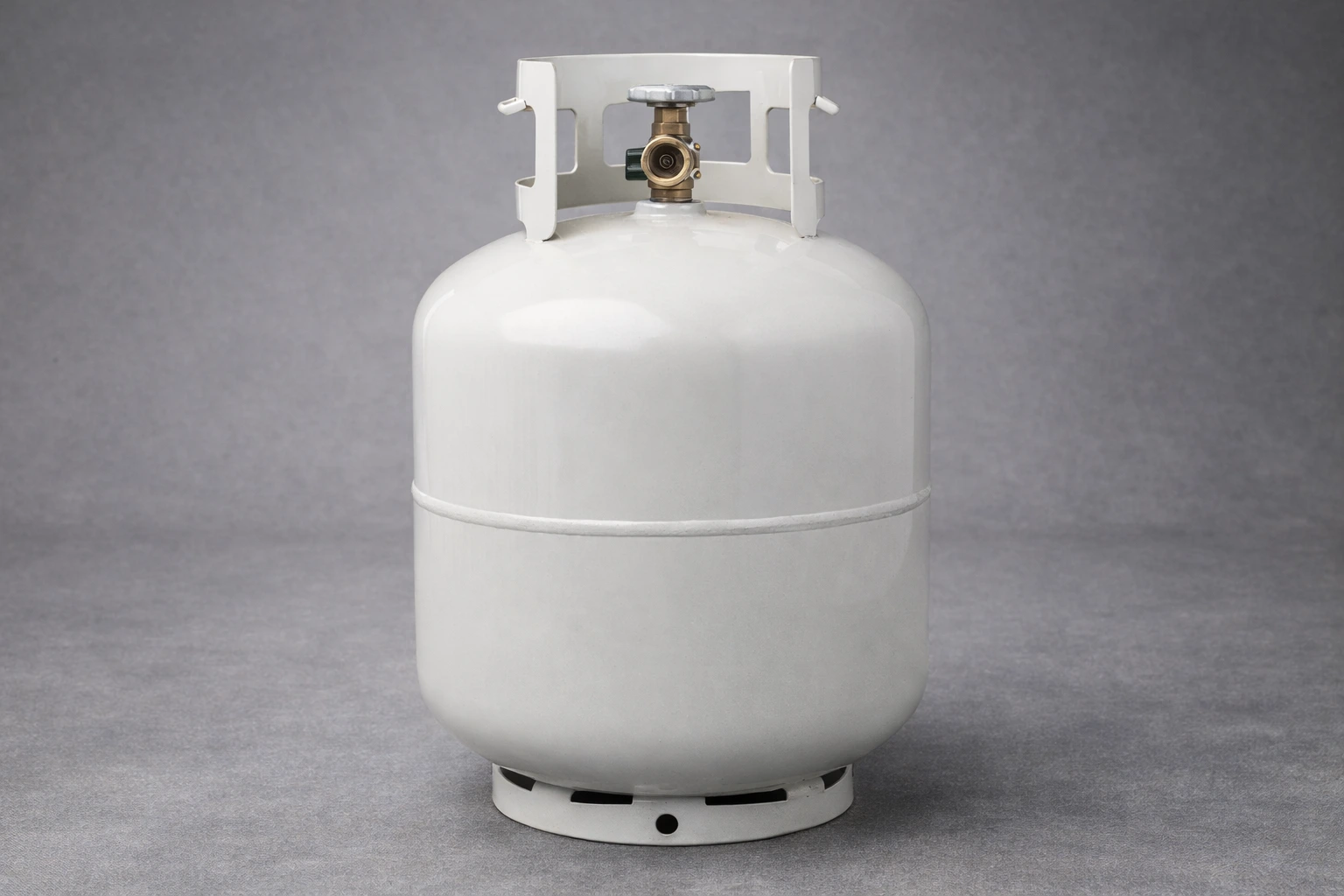
If your grill suddenly loses heat, your patio heater stops working, or your propane fire pit struggles to stay lit, the propane tank may be running low or completely empty. Fortunately, there are several easy ways to check propane levels before you unexpectedly run out of fuel.
Quick answer: You can tell if a propane tank is empty by using the hot water test, weighing the tank, checking a propane gauge, or noticing weak appliance performance like low flames or difficulty reaching temperature.
Most standard 20 lb propane tanks used for backyard grills typically last around 18 to 20 hours depending on heat settings, appliance size, weather conditions, and overall usage habits.
Common signs your propane tank is running low: weak flames, difficulty reaching temperature, longer preheating times, sputtering burners, or sudden heat loss during cooking.
Quick Ways to Check if a Propane Tank Is Empty
| Method | Difficulty | Accuracy |
|---|---|---|
| Hot water test | Easy | Moderate |
| Weighing the tank | Easy | High |
| Propane tank gauge | Easy | Moderate |
| Checking grill performance | Very easy | Moderate |
1. Use the Hot Water Test
The hot water test is one of the fastest and most popular ways to estimate propane levels without special tools.
- Pour warm or hot water down the side of the propane tank
- Wait a few seconds
- Run your hand slowly down the outside of the cylinder
You will usually feel a noticeable temperature change where the propane level begins. The metal above the propane level feels warmer, while the section containing propane feels cooler.
This works because liquid propane absorbs heat differently than the empty portion of the tank.
While this method is not perfectly precise, it is often accurate enough for quick backyard grilling checks.
2. Weigh the Propane Tank
Weighing the tank is one of the most accurate ways to determine how much propane remains.
Most propane cylinders have a tare weight stamped on the collar near the valve. This is usually marked with “TW.”
For example:
- TW 18 means the empty tank weighs approximately 18 pounds
- A full 20 lb propane tank usually weighs around 37–38 pounds total
If your tank weighs close to the tare weight, it is likely almost empty.
This method is especially useful if you want a more precise estimate before a cookout, camping trip, or extended outdoor gathering.
3. Use a Propane Tank Gauge
Propane tank gauges attach to the tank valve and estimate remaining propane levels using internal pressure readings.
These gauges are convenient and widely available, especially for grill owners who frequently cook outdoors.
However, propane gauges are not always perfectly accurate because propane pressure changes based on outdoor temperature.
For example, propane pressure may appear lower during cold weather even if plenty of fuel remains inside the tank.
This is why many experienced grill owners use gauges alongside other methods like weighing the tank or the hot water test.
4. Monitor Grill or Heater Performance
Sometimes your appliance itself provides the clearest warning that the propane tank is running low.
Common signs include:
- Weak or uneven flames
- Difficulty reaching cooking temperature
- Longer preheating times
- Sputtering burners
- Patio heaters producing less heat
- Fire pits struggling to stay lit
These symptoms often appear shortly before the propane tank becomes fully empty.
Why Propane Tanks Sometimes Seem to Suddenly Stop Working
Many people notice their grill or heater works normally one moment and suddenly loses heat the next.
This happens because propane pressure drops rapidly near the end of the tank. As propane levels become very low, internal vapor pressure decreases significantly.
Cold weather can make this effect even worse because propane vaporizes more slowly at lower temperatures.
This sudden pressure drop can cause burners to weaken quickly even if a small amount of propane still remains inside the tank.
Experienced grill owners often keep a backup propane tank available to avoid interruptions during cooking.
Does Cold Weather Affect Propane Tanks?
Yes. Cold weather can noticeably affect propane performance.
Propane must vaporize inside the tank before it can fuel your appliance. As temperatures drop, propane vaporization slows down, reducing tank pressure.
During colder weather, grills and heaters may:
- Take longer to preheat
- Produce weaker flames
- Struggle to maintain temperature
- Appear to run out of propane faster
This is especially noticeable during winter grilling or below-freezing temperatures.
How Long Does a 20 lb Propane Tank Last?
A standard 20 lb propane tank typically lasts about 18 to 20 hours on a normal backyard gas grill.
However, actual runtime depends on:
- Grill BTU output
- Heat settings
- Outdoor temperature
- Wind conditions
- Cooking duration
- Number of burners used
For a full breakdown of propane runtime estimates, see our guide on how long a propane tank lasts.
When to Refill or Exchange Your Propane Tank
If your propane tank is nearly empty, the easiest option is usually to refill or exchange it before your next cookout or outdoor event.
Many stores offer propane exchange cages where you can swap an empty cylinder for a prefilled one in just a few minutes.
You can see common refill and exchange locations in our guide to propane tank exchange near you.
If you want to compare pricing before swapping tanks, see our guide to propane tank exchange cost or find a cheap propane tank exchange near you.
Should You Refill or Exchange a Propane Tank?
Many homeowners assume propane exchange tanks are completely full, but that is not always the case.
| Option | Typical Fill Amount | Main Advantage | Main Drawback |
|---|---|---|---|
| Tank exchange | 15–18 lbs | Fast and convenient | May contain less propane |
| Tank refill | Closer to full 20 lbs | Usually better value | Requires refill station |
If maximizing propane runtime matters most, refilling your tank is often more economical than exchanging it.
Do Propane Tanks Expire?
Yes. Propane tanks themselves eventually require inspection and recertification.
Portable propane cylinders usually need recertification after a certain number of years depending on local regulations.
Tanks showing severe rust, dents, valve damage, or leaks should be replaced immediately.
You can learn more in our guide on whether propane tanks expire.
Propane Tank Safety Tips
- Store propane tanks outdoors in a well-ventilated area
- Keep tanks upright at all times
- Never store propane tanks near open flames
- Inspect tanks regularly for leaks or damage
- Replace damaged valves immediately
- Do not leave tanks exposed to excessive heat
Proper propane storage and maintenance help improve both safety and appliance performance.
Frequently Asked Questions
How do I know if my propane tank is empty?
You can check if a propane tank is empty using the hot water test, weighing the tank, using a propane gauge, or noticing weak flames and poor appliance performance.
How much does a full 20 lb propane tank weigh?
A full 20 lb propane tank usually weighs around 37–38 pounds depending on the tank itself.
How long does a 20 lb propane tank last?
A 20 lb propane tank typically lasts around 18–20 hours on a standard backyard gas grill.
Why does my propane tank suddenly stop working?
Propane pressure often drops rapidly near the end of the tank, especially during colder weather, causing burners and heaters to suddenly lose performance.
Are propane gauges accurate?
Propane gauges provide useful estimates but are not always perfectly accurate because propane pressure changes with outdoor temperature.
Is it better to refill or exchange a propane tank?
Refilling is often more economical because refill stations usually provide closer to the tank’s full 20 lb capacity.
Bottom Line
There are several easy ways to tell if a propane tank is empty, including the hot water test, weighing the tank, checking a propane gauge, or noticing weak appliance performance.
Checking propane levels regularly can help you avoid unexpectedly running out of fuel during grilling, camping, outdoor heating, or entertaining. Understanding how propane pressure works, especially during colder weather, can also help explain why tanks sometimes seem to suddenly stop working.